What My Most-Read Tweets Taught Me About the Twitter Algorithm
A few of my recent posts unexpectedly got a lot of reach. None of them were part of a content strategy. They were simply things I was actually doing.
A few of my recent posts unexpectedly got a lot of reach. It made me think about why.
None of them were part of a content strategy.
I didn’t plan them as “viral posts”.
They were simply things I was actually doing.
Looking back, they fall into three very simple categories.
1. Strong opinion on tools
The Cursor post was just a direct opinion:
If price wasn’t a factor, most developers would probably choose Cursor.
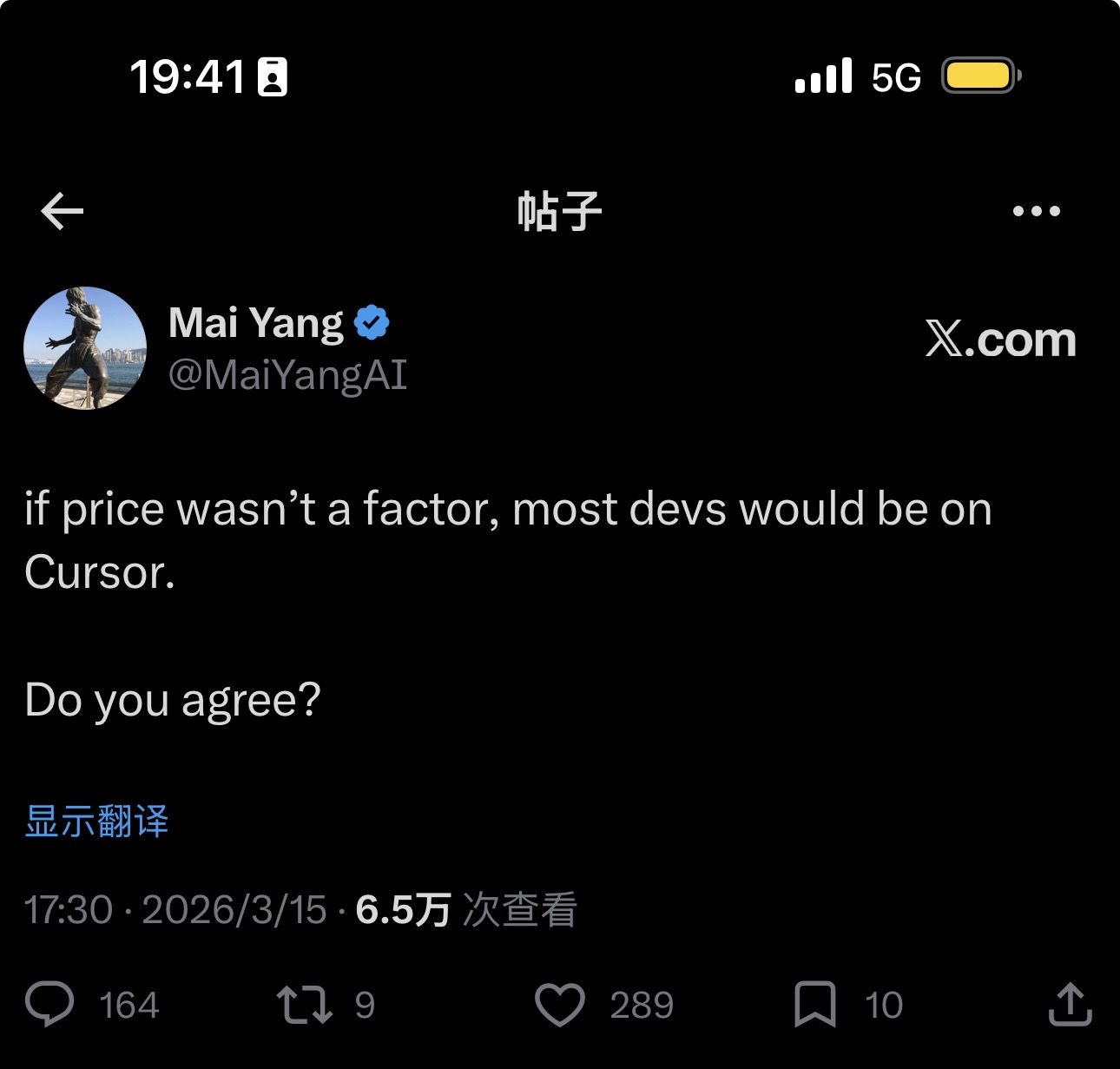
https://x.com/MaiYangAI/status/2033113679345107306
It wasn’t meant to start a debate.
It was simply a reflection of what I see around me.
Cursor represents a new generation of developer tools — tools that are built around AI first, not added later.
That shift is something many developers can feel.
2. Documenting what I’m learning
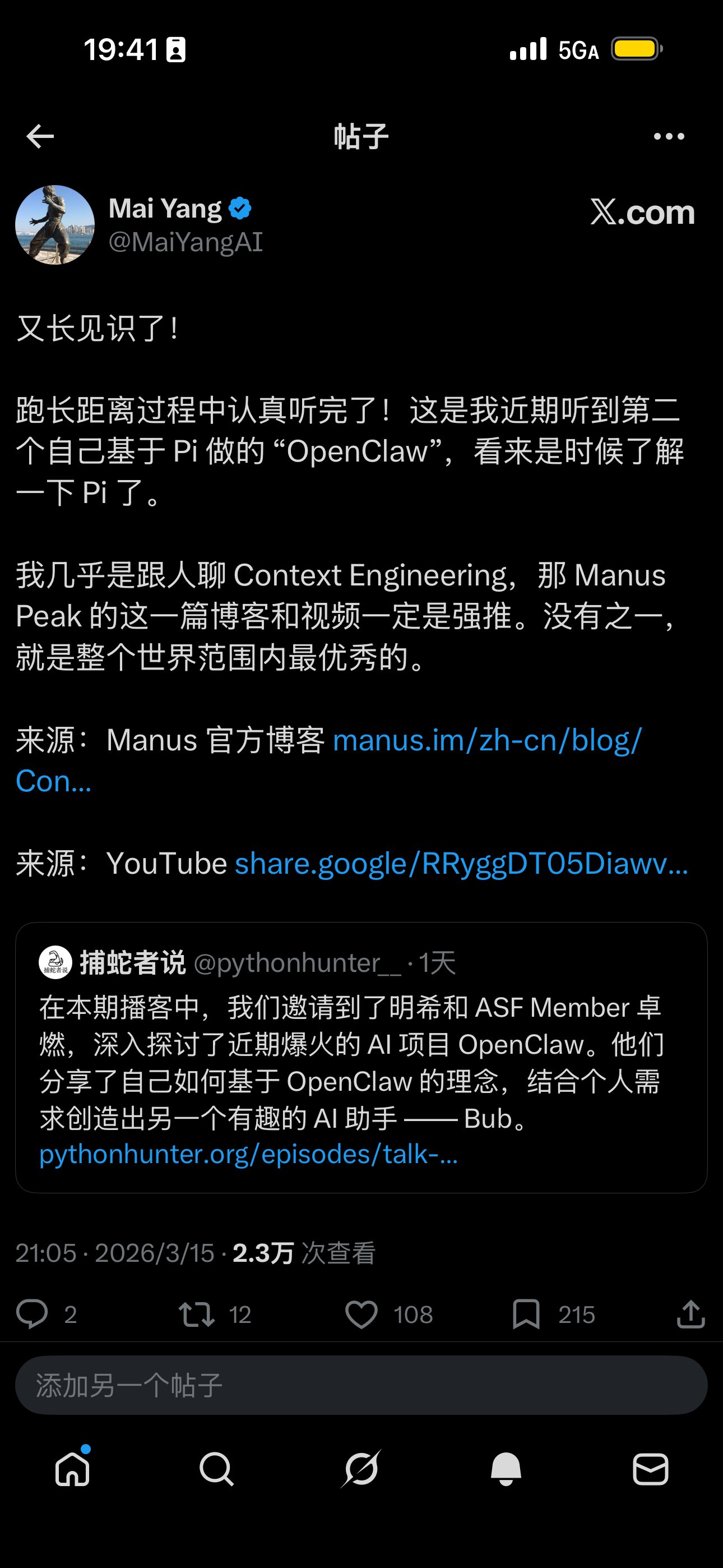
Another post was about OpenClaw and Context Engineering.
I actually finished that podcast while running a long distance.
It was the second time recently that I heard someone building their own assistant inspired by the OpenClaw idea, on top of Pi.
That immediately made me think:
maybe it’s time for me to understand Pi more deeply.
The discussion about Context Engineering from Manus Peak is also one of the best explanations I’ve seen recently.
If you’re building AI agents today, it’s incredibly valuable.
https://x.com/MaiYangAI/status/2033167817927766452
3. Tools I genuinely use
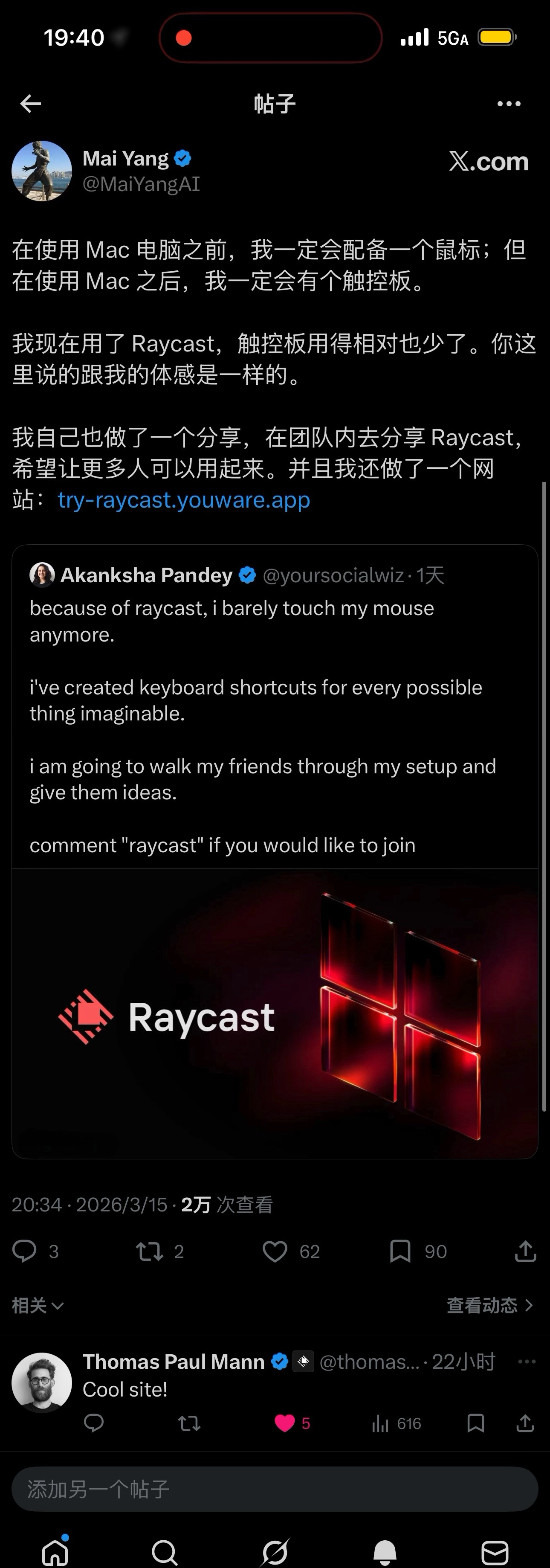
Raycast is another example.
Before using a Mac, I always needed a mouse.
After switching to Mac, the trackpad became essential.
But after adopting Raycast, I realized I barely needed either.
Raycast changed how I interact with my computer.
https://x.com/MaiYangAI/status/2033159968007102743
I’ve shared it many times, introduced it inside my team, and even built a small demo site to show how people can get started.
Looking at these posts together, something interesting becomes clear.
None of them were designed to “perform well”.
They simply came from three things:
- opinion
- learning
- real usage
In other words, they are signals from someone who is actually building and exploring tools every day.
Maybe the Twitter algorithm is simpler than we think.
It doesn’t necessarily reward people who try to manufacture content.
It often amplifies people who are simply documenting reality:
what they use
what they learn
what they believe
So instead of trying to “create content”, I’m increasingly trying to do something else:
just document what I actually use, learn, and build.